−35%

Description 10 Euros banknote design The 10 euros note front design features a representation of the basic Romanesque-style architecture from the 11th and 12th centuries, on a background with a linear pattern and the twelve stars belonging to the European Union flag, superimposed, and the European Union flag in the upper left corner. The reverse of the note presents a basic European architecture bridge on a background with a sketch of Europe’s map. The name of the currency (euro) is presented in Latin and Greek language. This note is part of the 2014 – 2020 series, and its color is light red, reddish-brown and light orange. Text: BCE ECB EZB EKT EKP 2013, 10, EURO, ΕΥΡΩ, 10, EURO, ΕΥΡΩ. Do you want to know more about the 10 Euros Banknote Series? Click here! Establishment of the Euro Firstly, The provisions agreed upon in the Maastricht Treaty established the euro in 1992. As a result, the then president of the European Commission, Jacques Santer, established the name “euro” in 1995. Member States used a triangulation process through the euro due to differences in their national currency conventions. Therefore, the Member States fixed the European Monetary Unit (ECU) at 1:1 per euro. However, the Member States used the European Monetary Unit as the accounting unit, but not as their currency. After that, on January 1, 1999, the Member States introduced the currency in a non-physical form. The members’ national currencies ceased to exist independently, and the euro replaced the European Monetary Unit (ECU). Even so, the Member States continued to use their currencies as a legal tender until the introduction of the new euro on January 1, 2002. In conclusion, The European Central Bank (ECB) introduced the first banknote series in 2002, and the denominations range from €5 to €500. Euro currency symbol The official currency symbol: €/¢. The European Central Bank manages and administers the euro, which sets monetary policy. Follow us! Click here
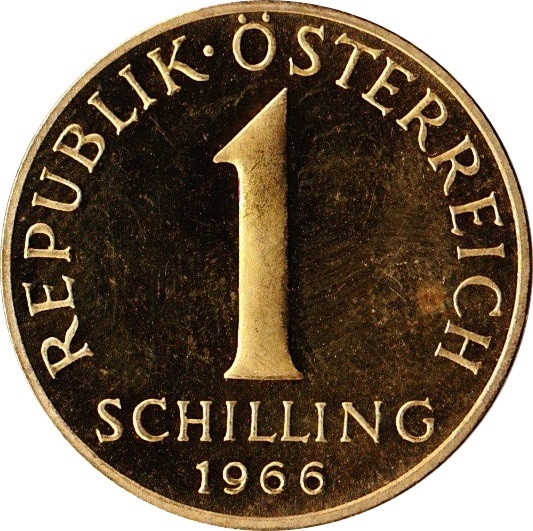 1 Austrian Schilling Coin
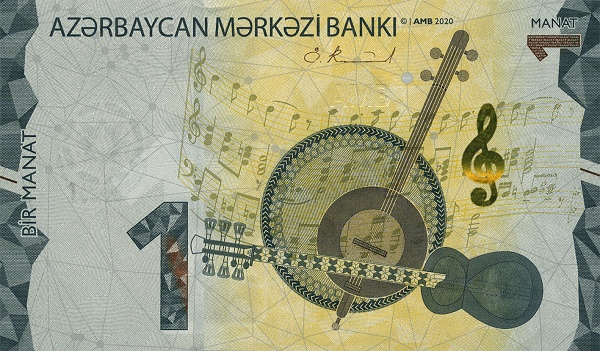 1 Azerbaijan New Manat
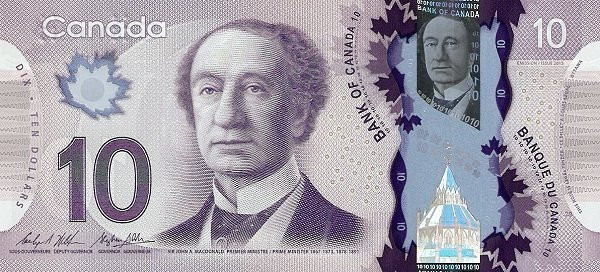 10 Canadian Dollars Banknotes (Frontier Series)
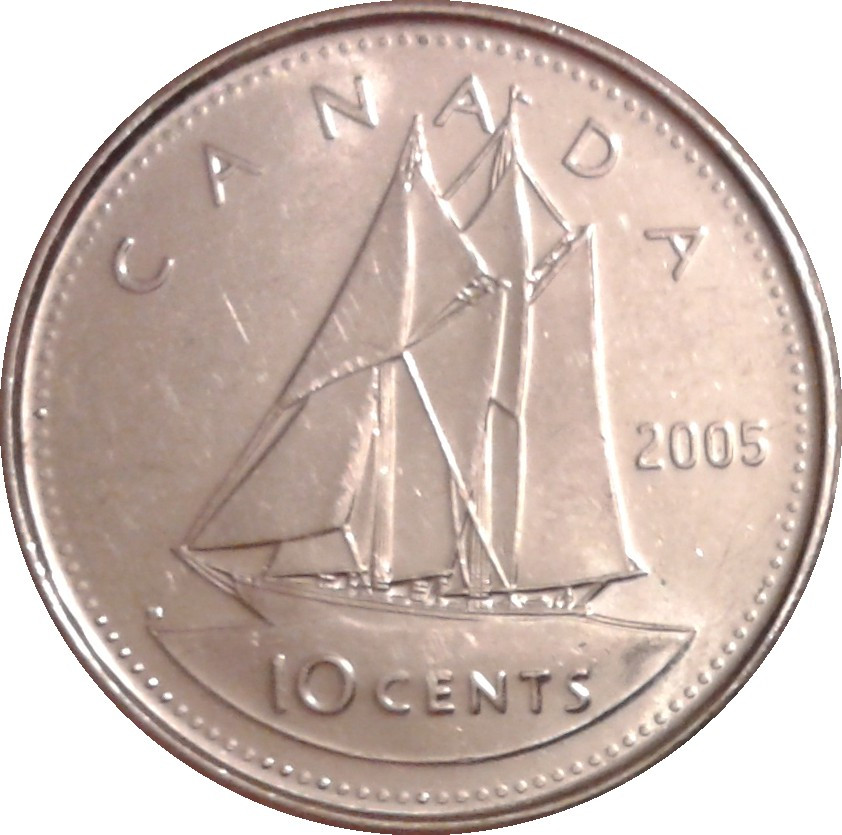 10 Canadian Cents Coin